
Films revolving around boxing have been around since the invention of cinema. Initially mostly just a spectacle, more modern boxing films increasingly deal with the psychological and sociological levels. The “Rocky” series (1976 – 2006) is certainly one of the best-known examples. However, the sport itself is rarely questioned; on the contrary, the focus is still on glorification: an iron discipline and always getting up after every knockdown, this is the only way to achieve triumph. Rocky became the ideal of masculinity for entire generations.
A well-known quote from “Rocky Balboa” (2006), the last part of the series, is: “What matters in life is not how much you give out, but how much you can take – and whether you keep going anyway.” “Wild Foxes” therefore seems like a radical answer to the Hollywood model: Valery Carnoy's incredibly gripping and densely told debut film delves deeply into the world of its boxing protagonists – and shows in haunting images what Rocky's (supposed) wisdom actually means in the end.
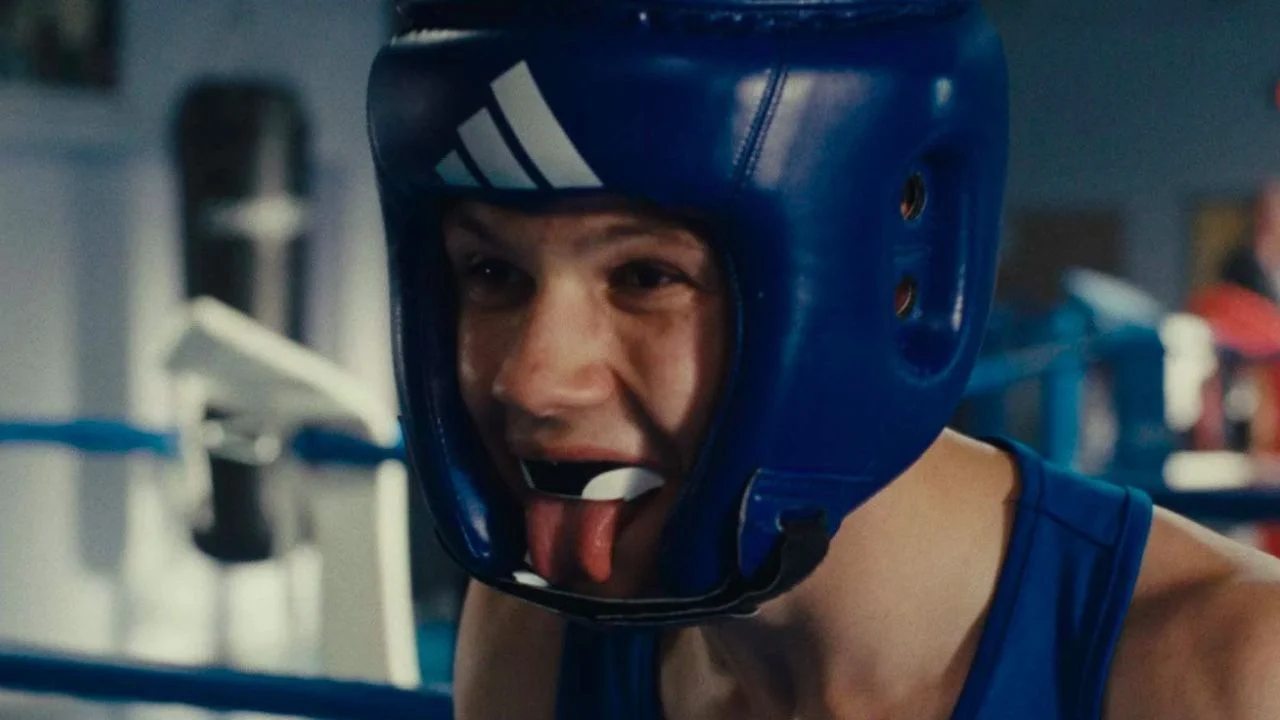
Camille (Samuel Kircher) is the boxing school's biggest talent. It's not at all clear whether he even wants to become a professional.
The boxing team at the sports boarding school, in which the 17-year-old fist virtuoso Camille (Samuel Kircher) also trains, is a merciless, testosterone-dripping drill in which weaknesses of any kind count for nothing. A strong plug-in mentality is at the top of the list for coach Bogdan (Jean-Baptiste Durand). Camille feels this especially after a serious accident. During one of the trips to the surrounding forests, where the young boxer and his best friend Matteo (Faycal Anaflous) feed stolen meat to foxes, he falls into the depths. Although the doctors can physically patch him up again…
…but deep inside something seems to have broken. He keeps feeling an inexplicable pain that the doctors simply cannot explain. His comrades don't want to know anything about his suffering, nor does Bogdan, who pushes him on and demands that he just grit his teeth. The team's former favorite is desperate and repeatedly resorts to white lies to avoid having to train. So he becomes more and more distant from his comrades and therefore also from his best friend. He only finds some comfort from Taekwondo student Yas (Anna Heckel). But one day the increasingly tense situation escalates…
Toxic masculinity
In the original French version, “Wild Foxes” has the poetic title “Le Danse Des Renards”, i.e. “The Dance of the Foxes”. In any case, the foxes are the central motif of the film: the animals embody Camille's longing for freedom and freedom, and the quiet scenes in the forest stand in stark contrast to the hustle and bustle of the boarding school. The animals – just like the young boxer – have a tendency to be solitary. They are hunters who are fighting for their future, but can become the hunted themselves in the next moment.
“Wild Foxes” is about boxing, but at its core is about patriarchy, about a false, (self-)destructive image of masculinity that is passed on from generation to generation. The film doesn't delve into this, but it does suggest that Samuel's violent father drove the boy into boxing in his early childhood. In any case, Samuel doesn't seem to know anything other than to just put up with it, persevere and carry on – it's a cycle from which there seems to be no escape, despite all the mental anguish. Camille's ordeal leads to an impressive finale, after which you will probably never be able to watch the “Rocky” films with the same carefree attitude again.
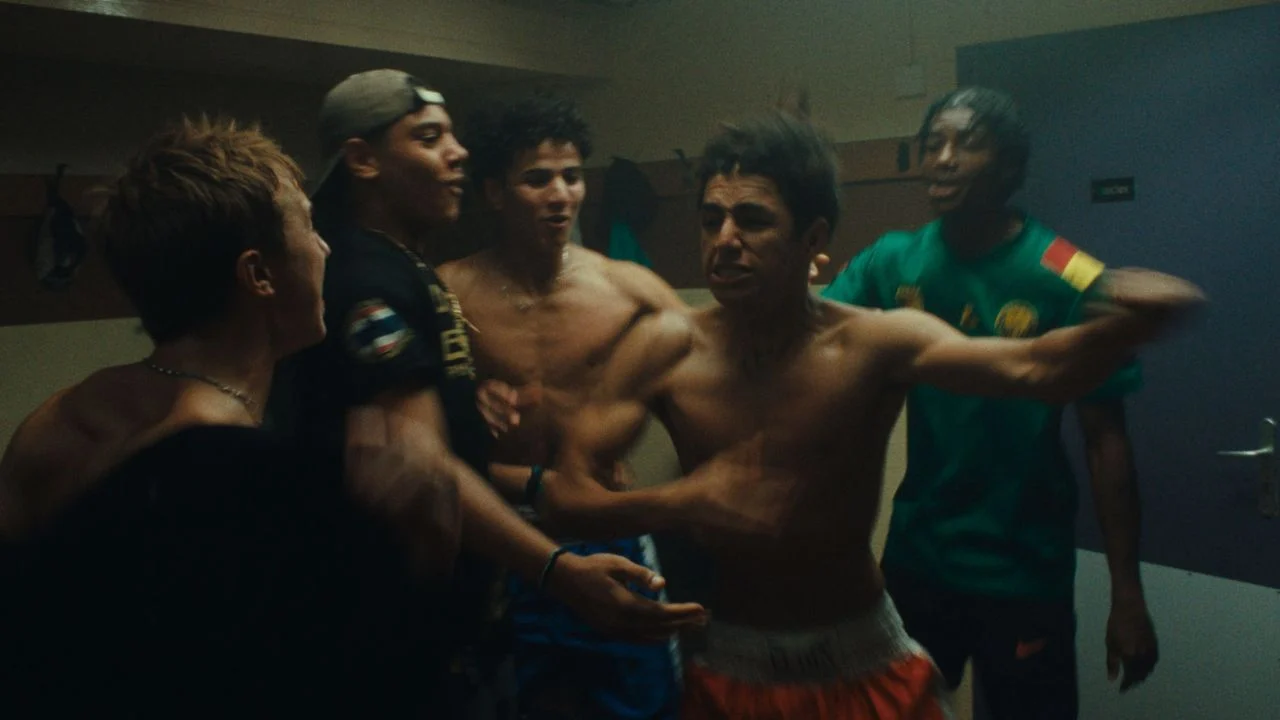
There is no room for weaknesses in the locker room; only the strongest reacts here.
“Wild Foxes” is a boxing film that covers the classic stages of the genre, but basically talks about, to put it bluntly, how stupid it all is. Nevertheless, he never falls into an accusatory or even didactic tone. Sports fans should also watch the film, because Valery Carnoy's debut is perfectly staged and uses a mixture of classic film aesthetics and semi-documentary images. There is also a sensational performance by shooting star Samuel Kircher (“Last Summer”), who lets Camille impressively oscillate between rude boxing macho and extremely sensitive teenager. The mental anguish resulting from his conflict becomes so palpable that his fate inevitably gets under his skin.
Conclusion: This anti-“Rocky” puts even most “Rocky” films in its pocket.