
When the video game “Until Dawn” for PlayStation 4 was released in August 2015, it was directly impressed how the atmosphere of horror films also came to life on the console. It actually felt like a playable canvas adventure. In the heart, “Until Dawn” is hardly more than cinematic-staged and interspersed with quicktime events, but the console shocker exudes its very own magic. The story changes according to the decision of the gamers – and adapts to the game behavior. As a result, there were tens of action variations that always reveal new, nasty ways and possibilities and invite you to play through it several times.
Unfortunately, this gaming experience shaped by individual decisions is impossible. There are already interactive films, which are only limited to the home cinema experience, where the audience can determine the ongoing history with the remote control. Logically, “Shazam!”-Director David F. Sandberg and his horror-rehearsed authors duo Blair Butler (“The Invitation”) and Gary Dauberman (“Annabelle 2”) decided for a completely different approach-and let the figures stumble into a time loop horror. This not only leads to the fact that “Until dawn” Video game fans should be disappointed because it has extremely little in common with the template. Much worse: the nasty timeloop setting remains so clearly behind its creative possibilities, so that horror cinema fans will hardly have fun.
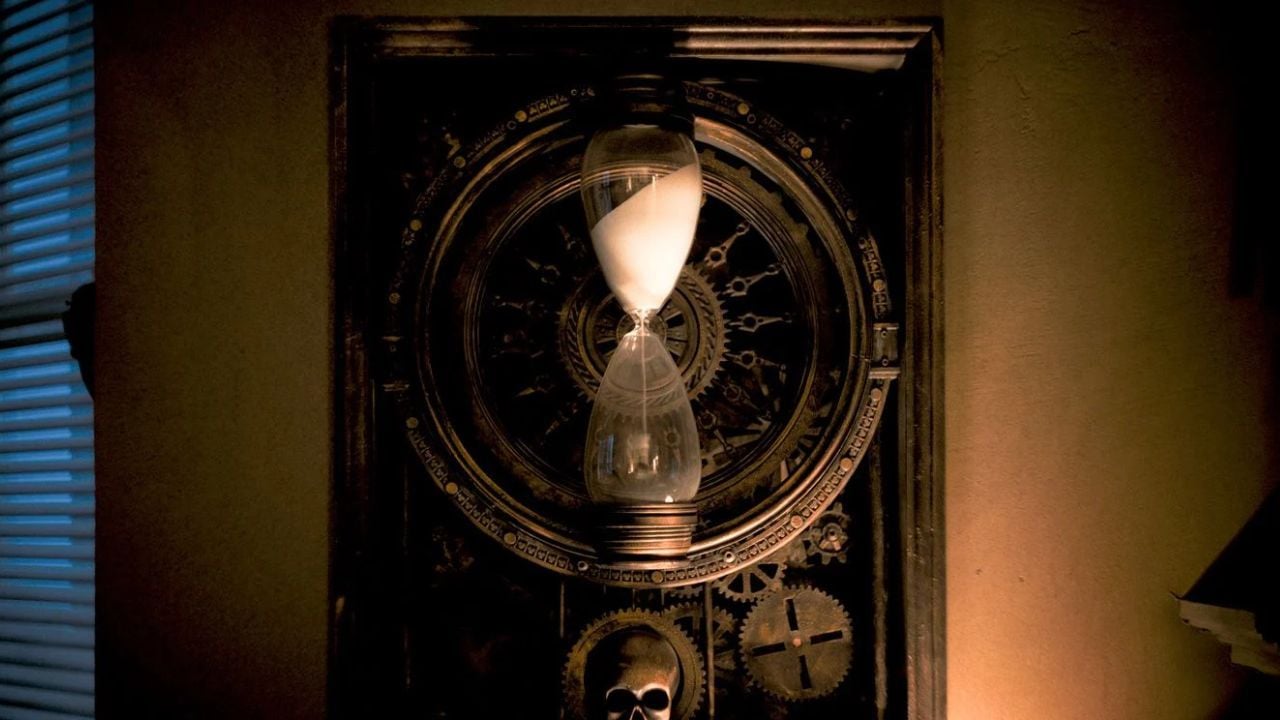
At the end of every night the time is reset
A year after the mysterious disappearance of Melanie (Maia Mitchell), her sister Clover (Ella Rubin) and a group of friends return to the remote valley, in which the missing person was last seen. The trail leads you to an abandoned visitor center – in which the time seems to stand still. But what begins as an exploration quickly turns into a nightmare: a masked killer appears and buttoning up one after the other.
Instead of finally dying, the Clover and their group of friends are reset to the starting point of the evening. And this game always starts all over again. Every restart brings new horrors. Always new monsters and nightmares are looking for the group home. And little by little, the young people dawn that their resurrections could be limited. When does the final death await you? Her only chance is to survive the horror until dawn and break through the nightmare.
Figures? Action? The template has other strengths!
Anyone who knows the “Until Dawn” games will certainly not expect well-written characters or clever action from the film adaptation. The templates are already a pure flap of well-known genre motifs. Freundesgruppe meets supernatural terror, which gradually decimates as bloody as possible. No, the grip for the original console was due to the fascinating mechanics, which made the players experience an adventure with an individual touch. The worst and most memorable moments were here in which one of the player figures and thus possibly an entire action sheet was irretrievably lost.
The canvas adaptation also does not convince by the characters. The mid -twenties caught in a strange anomaly are interchangeable in the best case and, in the worst case, are annoying. This is no longer dramatic, because the actual star of the film should of course be the time loop story. But exactly the gimmick, which we know especially from the comedy classic “… and the marmot greets” every day, but which has been successfully transferred to the horror genre with “Happy Death Day” or “Triangle”, remains disappointing. The prospect that the young gang has to face a new horror with everyone has to face a varied and therefore moody entertainment on paper.
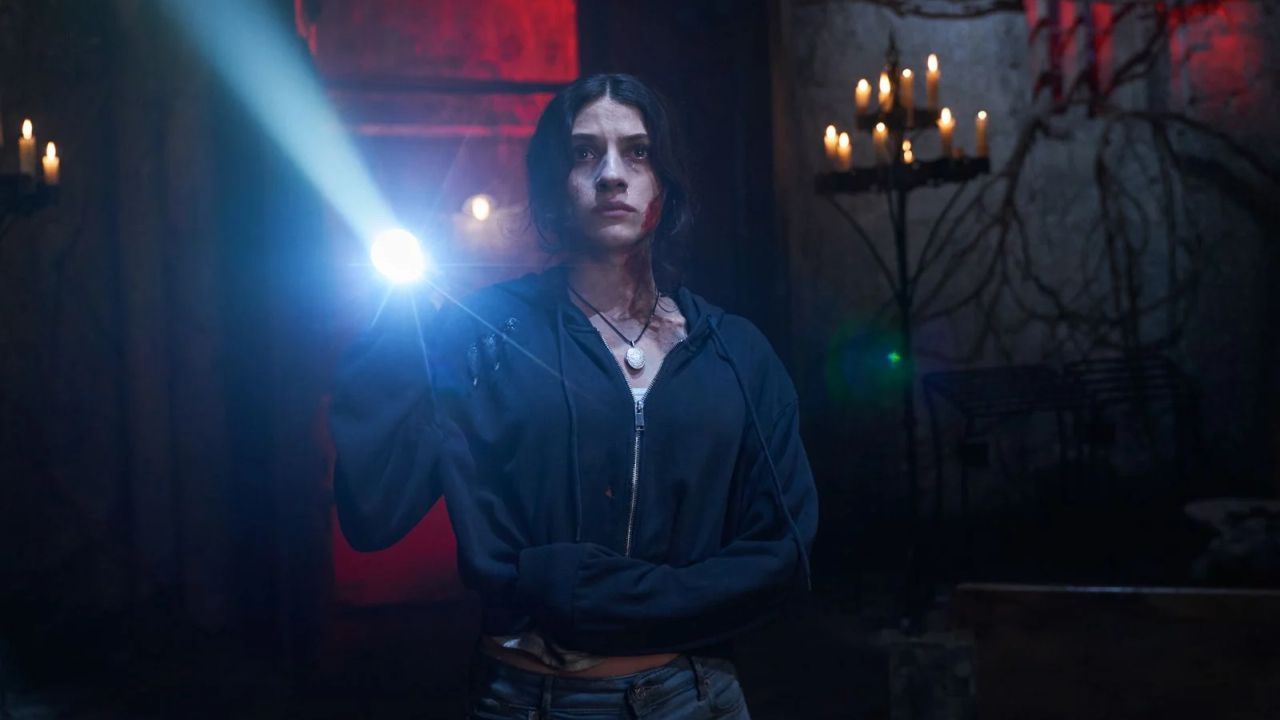
Can Clover find your sister?
In the case of David F. Sandberg's “Until dawn“However, the Timeloop concept does not want to ignite properly. The permanent resetting actually dramatic events is increasingly losing the loss of life here. The protagonists can finally jump over the blade over and over again without greater consequences. To kill each other to create the perfect night.
To do this, far too little time is used to develop the nightmare scenarios. Director David F. Sandberg leaves little space for the individual threats. Before the audience has really adjusted to a new horror, the respective spook is over again. The kills – actually the diabolical heart of such films – also appear rushed. Instead of indulging in the bloody fun, the tube is properly pressed. After all, the next screen is only a few scenes away and is also waiting to be shown. In 2012, “The Cabin in the Woods” showed how you really staged such a scary figure potpourri. A similar premise is basically pursued there – but that is much, much better. In “Until Dawn”, on the other hand, far too few of the individual horror attractions.
Too little ideas and if there is a good one, it is shown far too short!
The shining in “Until Dawn” are also surprisingly low -ideas. Of course, the killer with a mask should not be missing, because he has his template in the game. But in addition, any witches, ghosts and indefinable creatures, which not only have to stem into the horror rump box, but also come to an indiscriminate grip on the horror rump, but are also regrettable in their design. However, this indiscriminately monster mix has one advantage: everyone should find at least a section that corresponds to their own preferences. At least no continuous boredom is announced.
Some very exciting ideas also take care of this. For example, the group can be found on a cell phone. Here, brain magazines promise wonderful disgusting insoles, inappropriate ghosts with empty eyes, meanwhile spread bare terror and a dark air-aviation announces dystopian horrors. These moments are effective – and still a disappointment. It is incomprehensible that the best ideas are only shown in short clips. After all, the threats within these short players are more exciting than anything else that can be seen in “Until Dawn” – no wonder that many of these scenes have ended up in the trailers.
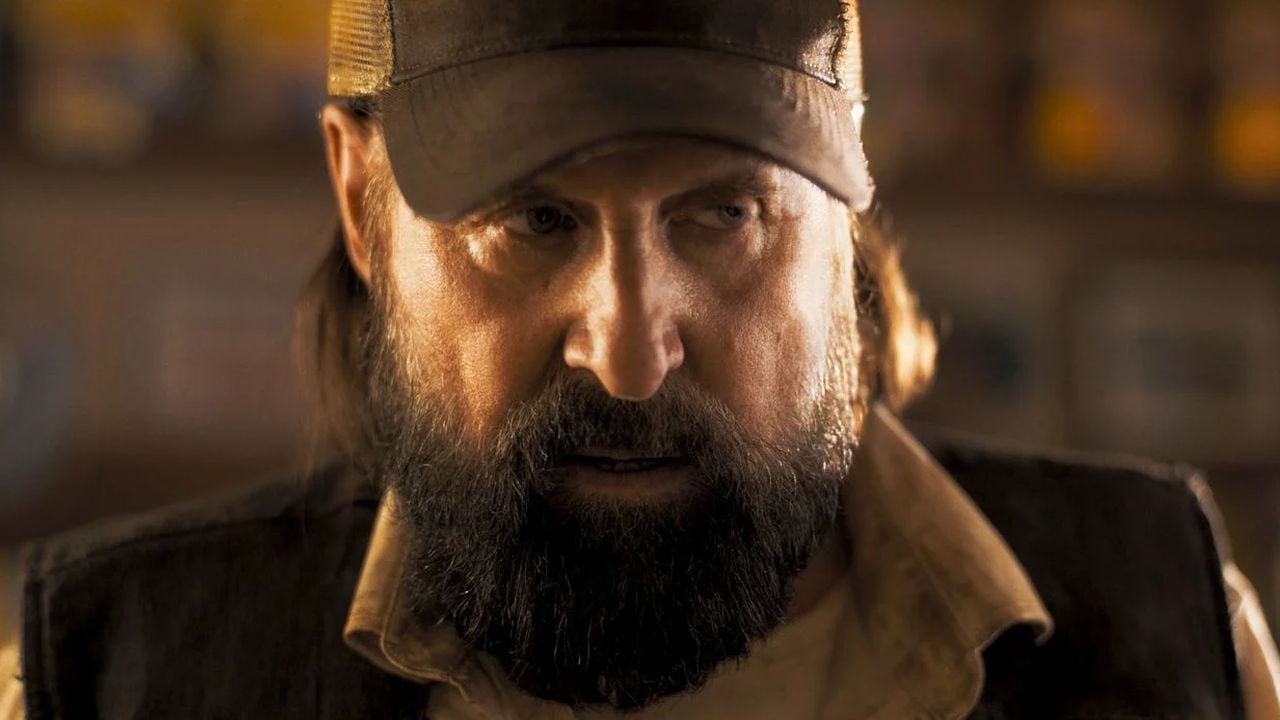
The shady Dr. Hill (Peter Stormare) should know many fans from the games
“Until Dawn” is only really fun when director David F. Sandberg really turns freely and lives out his love for practical effects. In particular, a sequence in which the enjoyment of contaminated tap water has serious consequences becomes an explosive highlight of the film, which in its uninhibited absurdity almost feels like an excess from a better film. Unfortunately, such drastically remain the exception until the end.
Conclusion: What works as a game cannot convince on the screen. The time loop gimmick chosen for the “Until Dawn” adaptation proves to be the largest weak point in the film, because the horror potential of this trick is not exploited-and even stands in the way of building tension in places. So the video game adaptation feels like an endless ride in the ghost train, in which simply too few attractions really shock. Nevertheless, everyone in the audience should certainly find at least one episode that can breastfeed the inner horror thirst.