
The ways of the film distributors are sometimes subtle – how else can one explain the fact that the Finnish-British literary film adaptation “The Summer Book” is only now opening in Germany after its premiere in October 2024 and after successful cinema releases in various Scandinavian countries and the USA? The film provides the perfect selling point with the author of the original – this is Tove Jansson, creator of the “Moomins” books and comics, which are also well-known in this country and which formed the basis for an extensive franchise of TV series, films, music releases, plays, video games and amusement parks.
Her novel “The Summer Book,” originally published in 1972 and often used as school reading material in Scandinavia, takes a slightly different tone: mythical creatures do not appear here, realism is very important. However, it is aimed at an equally broad audience. Children can identify with the nine-year-old protagonist, adults are drawn to topics such as coping with grief. This is no different with the film adaptation by Charlie McDowell (“Windfall”). This doesn’t exactly adhere to the literary original, but it impresses as an independent adaptation that scores enormously with its incredibly poetic imagery and two great leading actresses (Glenn Close and the absolutely wonderful debutante Emily Matthews).
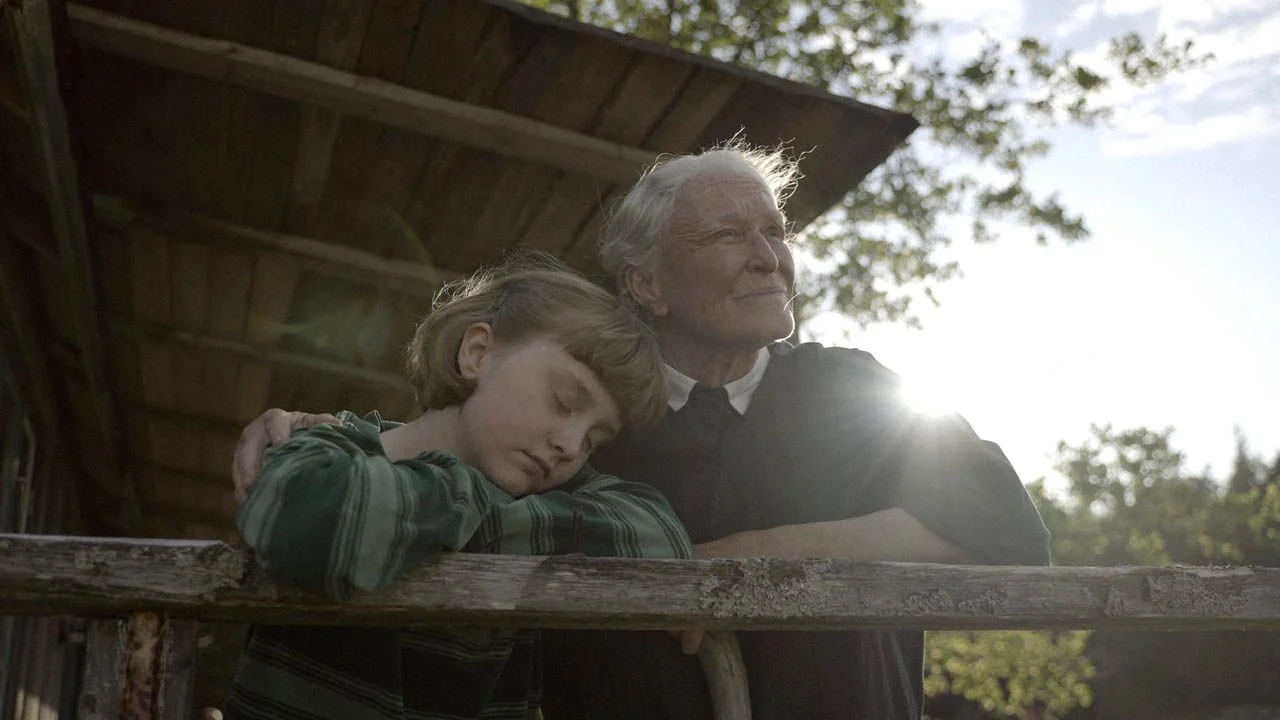
Sophia (Emily Matthews) and her grandmother (Glenn Close) drift through the summer together.
Six-year-old Sophia (Emily Matthews) spends the summer with her grandma (Glenn Close) and her father (Anders Danielsen Lie) on an island in the Gulf of Finland. The grandmother, whose name is not mentioned in the film, has been visiting the island regularly for 47 years. Sophia’s father has become silent since her mother’s death and has buried himself in his work as an illustrator. His daughter assumes from his behavior that he no longer loves her – grandmother stands between the two and tries to mediate.
Sophia does a lot with her lively grandmother, who on some days when her granddaughter gets a little too strenuous, escapes outside and smokes. Together they roam through nature, take a boat trip to a neighboring island, visit an abandoned lighthouse or look after a cat.
An almost meditative experience
Jansson’s book is divided into 22 short, fragmentary chapters that delve deep into the minds of the protagonists – which is of course difficult to implement on film. McDowell’s film therefore offers a consistent narrative. But he follows the rhythm of the book by drifting around slowly and calmly; There are hardly any dramaturgical peaks.
The focus is on the grandmother and Sophia, whose relationship quickly gains depth through the congenial acting and interaction of the two actresses. Veteran star Close gives newcomer Matthews enough space to develop her natural charisma in their scenes together, and the script places great emphasis on a perfectly balanced relationship between the two central characters. At most, the father fades into the background too much, which you only notice when you reflect on the film afterwards.
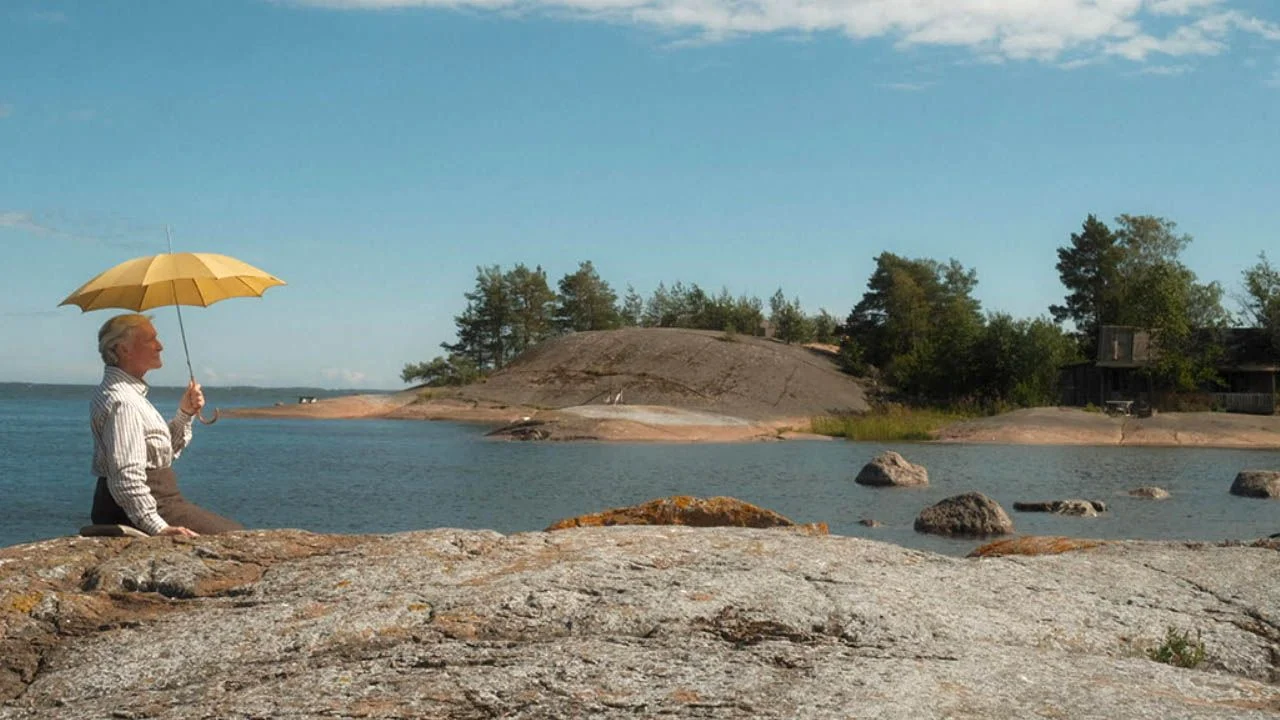
The idyllic, beautiful natural images tell their own story.
“The Summer Book” is about coping with grief, aging and the fragile relationship between generations. However, the film does not spell out these themes to the last detail, but rather relies on the expressiveness of its ensemble and the beauty of summer nature bathed in golden yellow light. At the same time, these pictures tell another big story that we are all all too painfully familiar with – a story about the far too short time we have with the people we love.
Conclusion: Excellent, very sensitive film adaptation of a Scandinavian literary classic, which addresses existential themes in a sun-drenched ambience and can rely on great actresses and impressive images. The calmly told film develops a pull that sometimes makes you forget that every summer unfortunately comes to an end.