
“Happiness is not a story, so there is nothing to tell about the first few weeks,” says one of the main characters in Oliver Hermanus' emphasized, withdrawn drama “”The History of Sound“. The director tells of a gay love story in the 1920s and her still decades-and has brought two of the most talented, hottest (and yes, also the hottest) perform of your generation with Paul Mescal (“ Gladiator 2 ”) and Josh O'Connor (“ Challengers ”).
On a journey through the American northeast, the duo can be conducted by simple people in mostly rural areas, which would otherwise probably be lost forever. This is extremely taciturn, almost elegically filmed – but Hermanus knows that he can rely entirely on the aura of his stars: “The History of Sound” looks old -fashioned, sometimes almost too mannered in his perfect pictures – and yet it unfolds great emotional strength, especially in the second half.
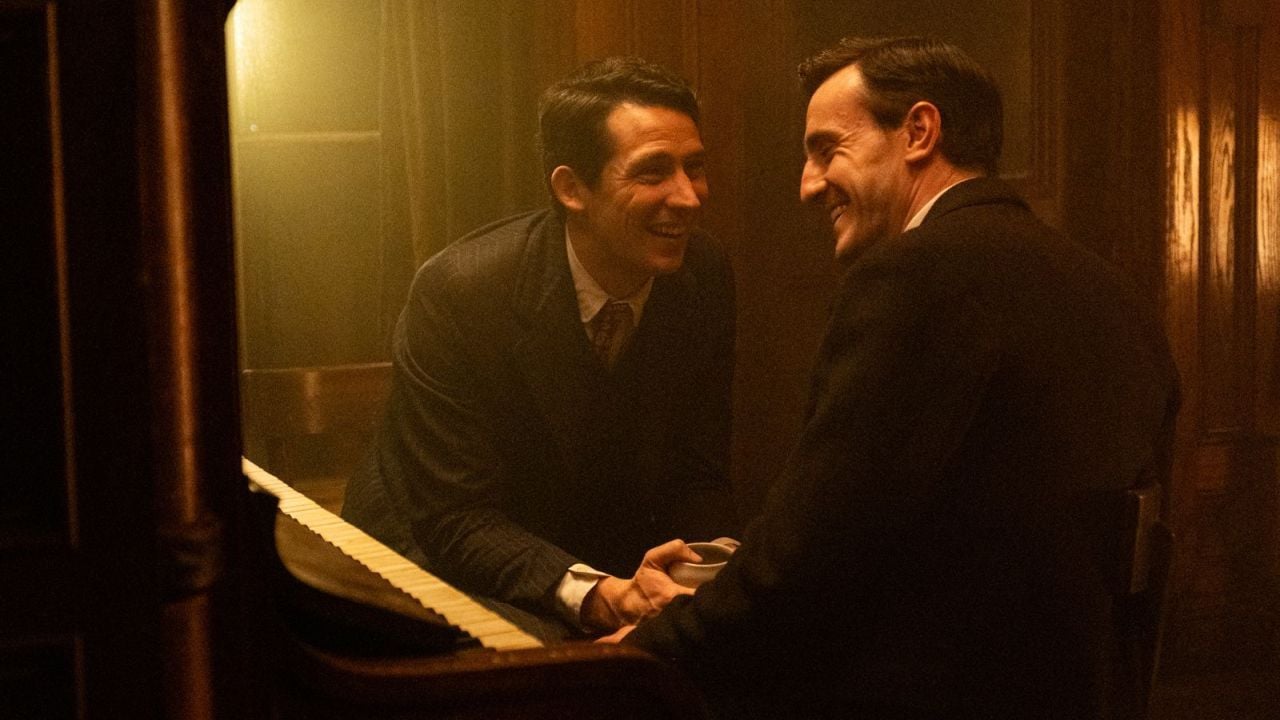
Between Lionel (Paul Mescal) and David (Josh O'Connor) it is a love for the first song …
Lionel (Paul Mescal) grows on a small farm in Kentucky. His parents are simple farmers with whom Lionel sings traditional songs in the evening. His talent for singing cannot be ignored, so he receives a scholarship for a music school in New England. There he suddenly hears a song from his home area in a pub – and so he meets David (Josh O'Connor), studied the composition. It is a desire at first glance, but the First World War is still raging in Europe. While Lionel is spared because of his weak eyes, David is moved into the army.
A few years later, Lionel now lived on his parents' farm again, he received a letter from David: on January 1, 1920, he should be at a certain train station to support David in a musical expedition. In the northeast of the United States, the duo absorbs traditional songs, carefully scratches the memory of past times in the wax of the cylinders, which are supposed to preserve music for posterity. But this time together also comes to an end, because happiness is not a story …
Tragedy without any approach to melodrama
A love story between two men in times when homosexuality was still outlawed, an epic narrative of oppressed emotions in which none of the men dares to live out what they really feel. This constellation inevitably commemorates Ang Lee's romantic classic “Brokeback Mountain”, in which Heath Ledger and Jake Gyllenhaal, as cowboys, also do not find each other permanently, but rather marry women, witness and carry their pain very close to the chest. Ben Shattuck is now similar in his script for “The History of Sound”, which in turn is based on his short story of the same name. It is of course not to be revealed what exactly happens after those short moments of happiness, but it is clear that it ends tragically.
The filming was made in the USA, Rome and the English Lake District. The result is exquisite images, shaped by brown tones, almost free of colors, underlaid with very little classic film music. Instead, the songs – mostly traditional ballads – can be heard, who collect Lionel and Daniel and sing themselves. Paul Mescal in particular can show a side of his talent that has not yet been known, which he will soon be able to use, after all, he will take on the role of Paul McCartney in Sam Mendes' planned four (!) Beatles biopics.
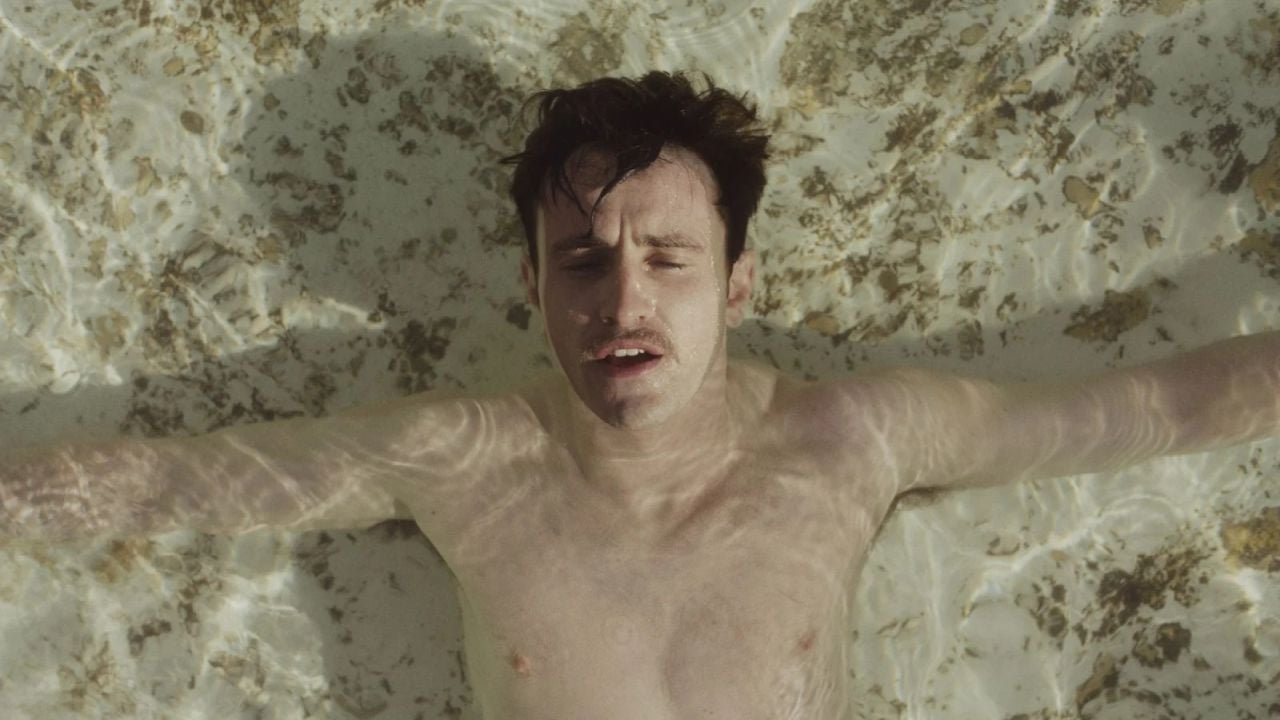
According to “The History of Sound” one thing is certain: Paul Mescal can sing very heavenly as if he weren't talented anyway.
In “The History of Sounds” the songs are more than just pretty, melancholic background, rather they indicate everything that is not said in the taciturn film or cannot be said. This applies not only to the unfulfilled love story between Lionel and David, but in addition to the vocal memories of the Irish immigrants, whose songs the duo primarily absorbs, especially to the songs of the descendants of black slaves, which are now to be driven out of their home. The Lionel once calls emotions as a song, songs as a reminder that, unlike written records, aims much more directly into the heart. The fact that the Oliver Hermanus does not succeed as stirring as Ang Lee may be due to the extremely deliberate, almost hypothermic style that does not want to force any emotional emotion through cinematic means.
Instead, the eyes should indicate what their characters feel, how they suffer and their love fails due to the conventions of society. However, you are dealing with two actors who are not necessarily emotional volcanoes. As a prince Charles in “The Crown”, Josh O'Connor was forced to the greatest reluctance through his role, and Paul Mescal has also played passive figures since his breakthrough in “Aftersun” (for example, in the magnificent gay ghost love drama “All of Us Strangers”). In “The History of Sound”, both actors act discreetly, try to indicate with very withdrawn minic means what is burning in their characters. This does not always succeed, in phases Oliver Hermanus film seems too wanted, too exhibited leisurely. But if it works, the South African succeeds in a moving portrait of an unfulfilled love and the emotions, which can trigger a single song and preserve over decades.
Conclusion: In his ambitious love film, Oliver Hermanus summarizes great emotions with melancholic folk ballads. A drama of exquisite, but also a little mannered beauty. In phases, this seems too cool and reserved, but again and again big moments arise that tell powerfully about an impossible love.
We saw “The History of Sound” at the Cannes Film Festival 2025, where he celebrated its world premiere as part of the official competition.