The American writer Siri Hustvedt has published seven novels, a volume of poetry and numerous essays since the 1980s. Nevertheless, her name is probably still primarily associated with Paul Auster, with whom she formed a dream author couple that was world-famous beyond New York until his death in 2024. Sabine Lidl, who made a name for herself with TV documentaries about artists such as the photographer Nan Goldin, the actress Hannelore Elsner and the director Doris Dörrie, portrayed the writer in her 2019 film “Paul Auster – What if”. This gave rise to the idea of dedicating a documentary film to Hustvedt, which ultimately formed into the rich and carefully composed “Siri Hustvedt – Dance Around The Self”.
The film begins in 1978 when Siri Hustvedt moves from her native Minnesota in the American Midwest to New York to study English literature at Columbia University and at the same time work on her first novel. From now on, “Siri Hustvedt – Dance Around The Self” focuses on Hustvedt's work and the overlaps with her biography: passages shot with a Super 8 camera show a young woman (Jules Elting) walking through the streets of Manhattan in search of her first novel hero – it is the personification of the narrator that Hustvedt had in mind at the time. This is accompanied from the off by Hustvedt's voice, which repeatedly reads from her novels throughout the documentary and then, in conversation with Sabine Lidl, devotes herself to the references to her life and her memories.
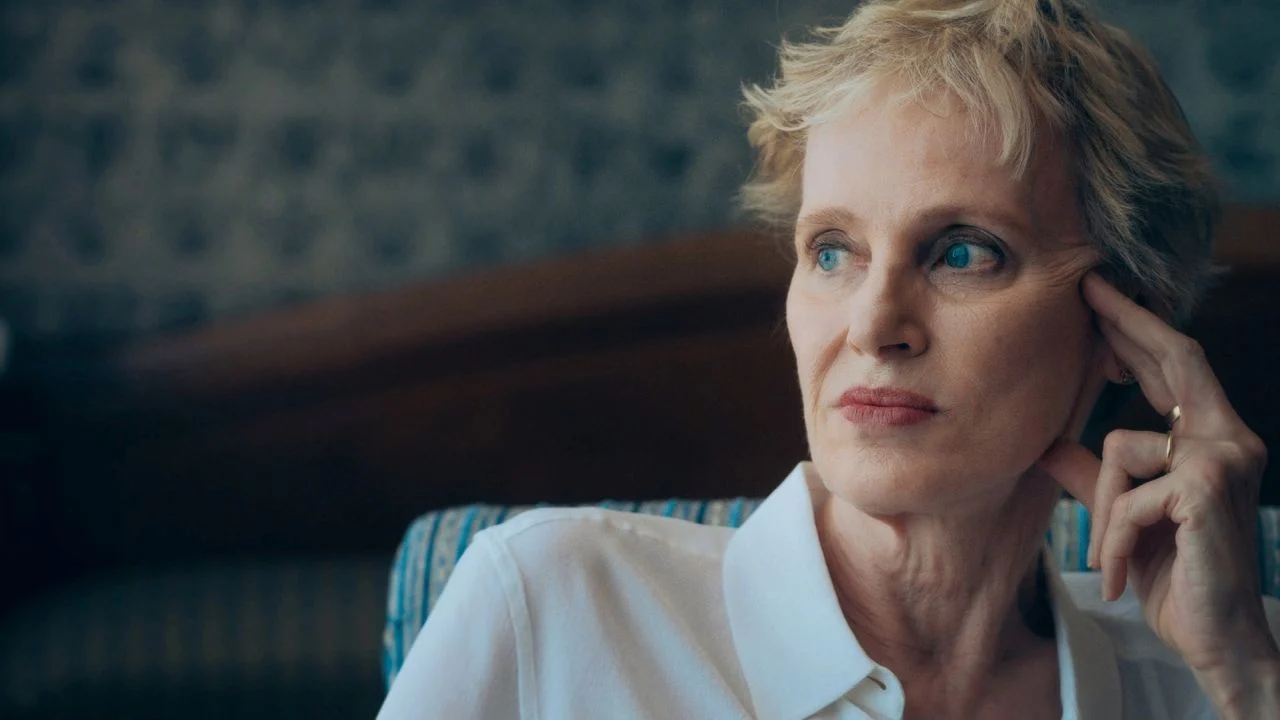
Siri Hustvedt seems to place great emphasis on every syllable when you hear her speak in the film.
You quickly get the impression of a very thoughtful and extremely well-read woman, whose thoughtful manner of speaking, meticulously paying attention to emphasis, is striking. The conversations mostly take place in the four-story brownstone that Hustvedt lived with her husband for over 30 years. Since the documentary follows almost four years of Hustvedt's life, Paul Auster can be seen again and again at the beginning, who speaks lovingly about his wife and always with respect for her writing skills. Despite entertaining parts in which both reminisce – for example the wedding that was celebrated in dire financial straits – the focus of “Siri Hustvedt – Dance Around The Self” always remains on the writer.
This is to be welcomed, because for a long time Hustvedt was considered in the literary scene only as the also writing wife of the author who became world famous with his New York trilogy at the end of the 1980s. Hustvedt's prose, as the film highlights, always had the disparaging suspicion of being purely autobiographical, something she also defends herself against in this documentary. Instead, “Siri Hustvedt – Dance Around The Self” traces the ideas that define Hustvedt’s writing and its particular subjectivity – and at the same time wanders through her work with a wealth of carefully arranged elements and themes.
In the current flow of life
For example, a focus is placed on the women who made a lasting impression on Hustvedt over the course of her work, including the natural philosopher Margaret Cavendish and the Dada artist Elsa Baroness von Freytag-Loringhoven. These role models are brought to life through lively black and white animations, which run through the film from the beginning and sometimes also take up Hustvedt's own drawings. At the same time, the documentary traces Hustvedt's origins and career: her Norwegian roots, the tranquil childhood spent in Minnesota with three sisters and the early desire to become a writer are documented in photographs and in conversations with her family and friends.
But despite all the pleasant nostalgia about funny childhood photos from the 1960s and exciting stories about New York in the 1980s, it is above all the present depicted in “Siri Hustvedt – Dance Around The Self” that leaves a lasting impression. Hustvedt's thoughts about her own work and life touch on art historical, feminist and socially critical aspects – for example when she resolutely rejects the “best self” optimization craze that is rampant in the present as a neoliberal philosophy of life. Difficult experiences are part of life, a constantly moving river, she explains at one point.
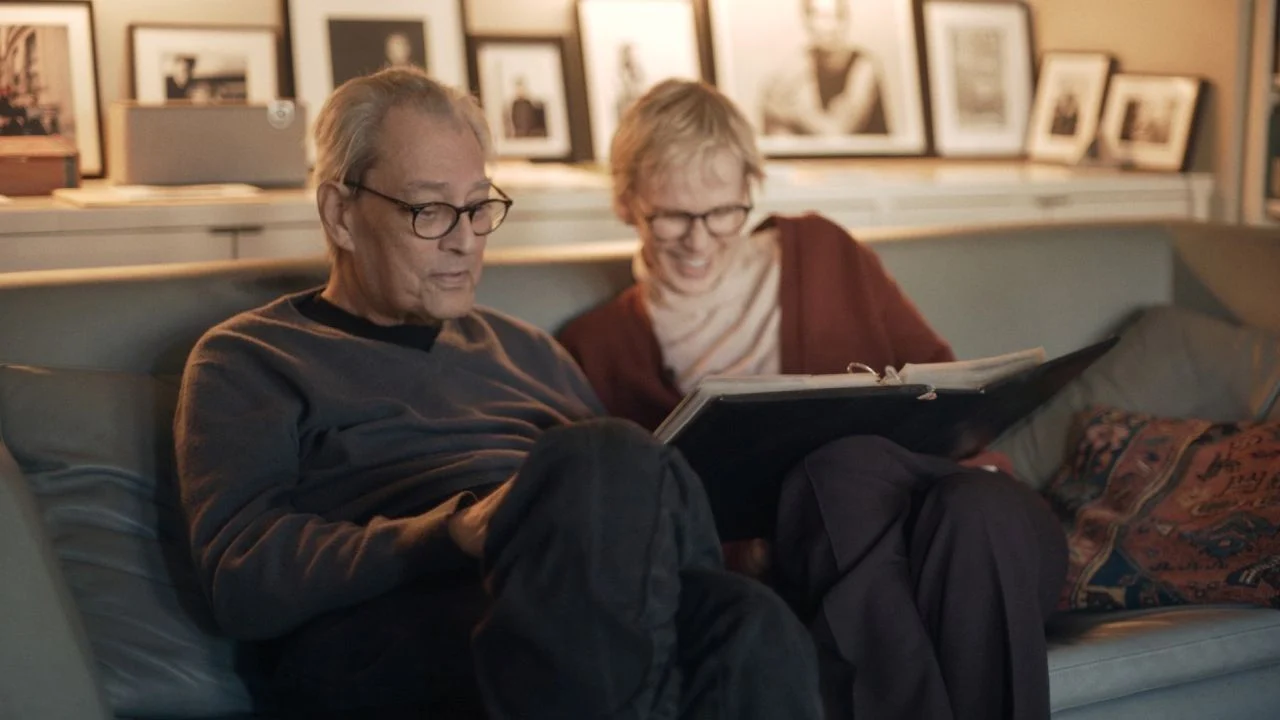
Paul Auster can be seen at the beginning of the film before he finally succumbs to his cancer later on.
The fact that she speaks from experience is made painfully clear in this documentary's contemporary strand: within the four years that Sabine Lidl repeatedly visited the writer, Paul Auster fell ill with cancer and ultimately died. “Siri Hustvedt – Dance Around The Self” is not only a very reflective examination of Hustvedt's work and personality, but also a moving record of how to deal with such a bitter loss – and life afterwards.
Conclusion: “Siri Hustvedt – Dance Around The Self” wanders through the life and work of the writer with a carefully arranged wealth of material and brings thoughtful insights to light. An enlightening and moving documentary – not just for those who already know and appreciate Hustvedt's novels.
We saw “Siri Hustvedt – Dance Around The Self” at the Berlinale 2026, where it celebrated its world premiere in the Panorama section.