
When plans were made to film the legendary survival horror series “Silent Hill” in the early 2000s, it didn’t take long before director Christophe Gans (“The Pact of the Wolves”) and Oscar-winning screenwriter Roger Avary (“Pulp Fiction”) received death threats from misguided fans of the video game original – they should keep their hands off the iconic brand! But the result was ultimately able to change the minds of many doubters. The press response was mixed, but Gans was able to virtuously capture the vibe of the interactive counterpart with his camera movements and perspectives borrowed from the original, music by original composer Akira Yamaoka and an uncompromising hardness.
After it was announced that Christophe Gans would return to the foggy Silent Hill almost 20 years later with a new film (and hopefully make the miserable sequel “Silent Hill: Revelation” that was made without him forgotten), the mood was completely different. And the “Crying Freeman” maker actually brings many of the strengths of his first “Silent Hill” adaptation back to the nightmarish small town of the title in the aptly titled “Return To Silent Hill”. However, only a fraction of the emotional power that lies dormant in the powerful story made it onto the screen.
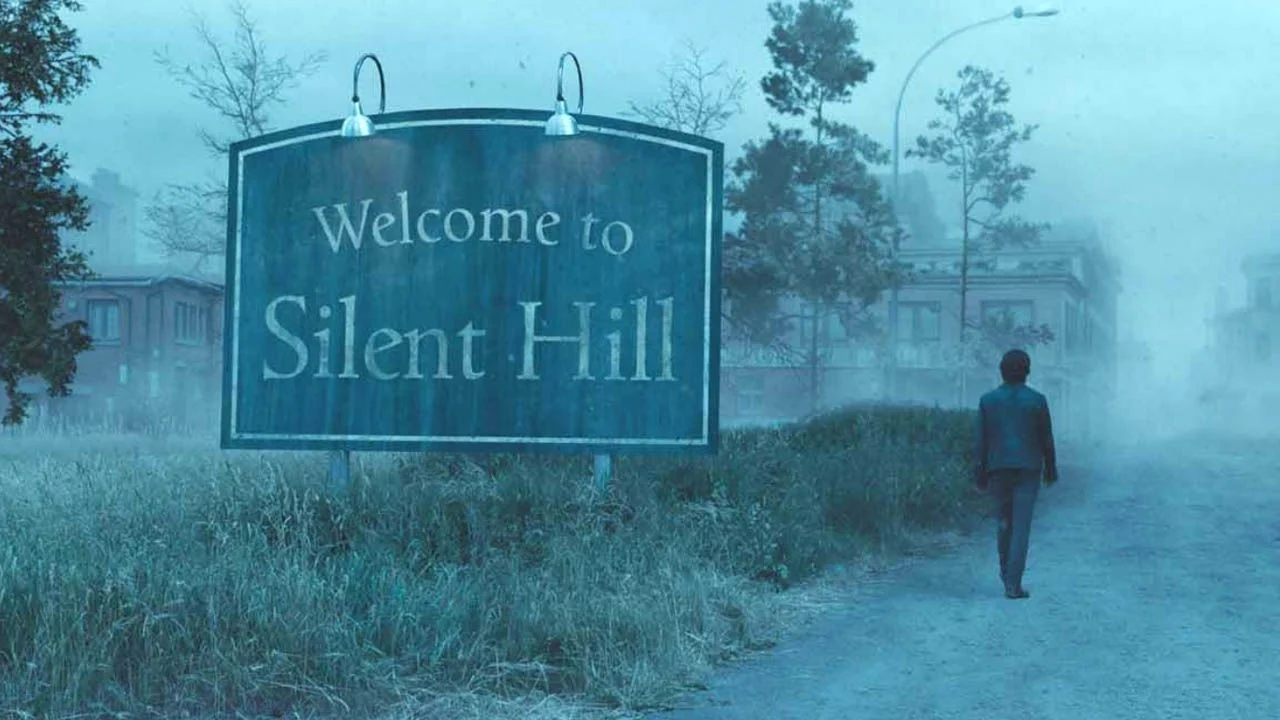
20 years after the first film adaptation of the legendary video game, director Christophe Gans returns to the foggy Silent Hill.
The painter James Sunderland (Jeremy Irvine) is still struggling with the death of his great love Mary (Hannah Emily Anderson) as a result of a mysterious illness. He is all the more astonished when one day he receives a cryptic letter. Apparently this comes from none other than his late wife, who begs him to return to the town of Silent Hill, where the two once fell in love.
Clinging to the desperate hope that Mary might miraculously still be alive, James goes to the remote place – which he hardly recognizes anymore. A strange fog covers the entire region, ash is raining from the sky and the streets are empty. But it doesn't stop there: Shortly after his arrival, strangely misshapen creatures lie in wait for James and want to get to him. Not to mention that he soon descends into an even darker version of the city from which there finally seems to be no escape. Is it possible that Mary really is trapped in this hellish place? And if so, can he find and free her in time?
Christophe Gans loves “Silent Hill” – and it shows!
When he first attempted a “Silent Hill” adaptation, Christophe Gans had actually planned to adapt “Silent Hill 2,” which, thanks to its masterful psychological horror story that is detached from the rest of the series, is widely considered not only the most popular part of the franchise, but also one of the best video games of all time. But despite a passionate 37-minute video in which Gans presented his vision to decision-makers at the gaming company Konami, nothing came of it. Instead, the decision was made to start a possible franchise by making a (loose) film adaptation of the first part of the series.
Two decades later, Gans can now fulfill his dream – and his love for the material undoubtedly oozes from “Return To Silent Hill” at every nook and cranny. As in 2006, Gans once again demonstrates a wonderful sense of bringing the unreal setting at the center of the action to eerily beautiful life. His imagery is less expressive than in his more opulent works such as “The Pact of the Wolves” or “Beauty and the Beast”, but remains effective. He is once again helped by the effective and solid camera work in contrast to the horror shown, the (un)comfortably familiar sounds of Akira Yamaoka and the attention to detail – from scenes that were taken almost 1:1 from the games to the static noise from James' radio warning of danger to the monster design itself.
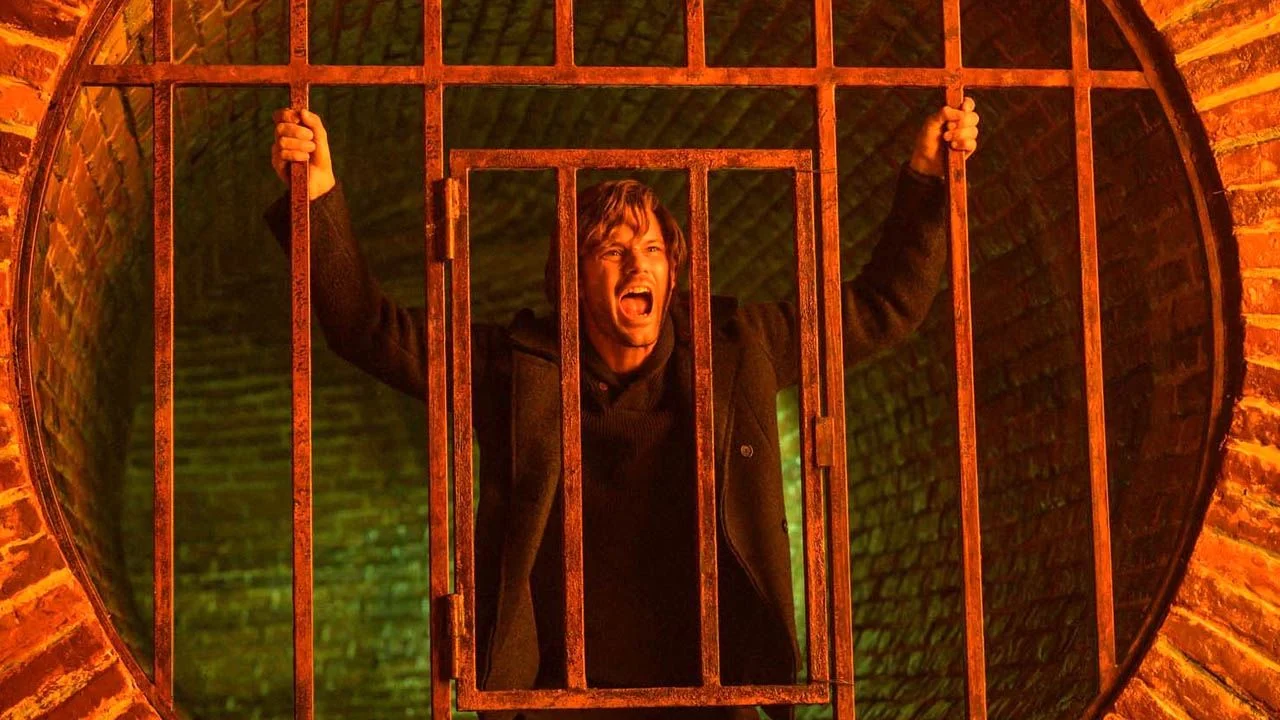
James Sunderland (Jeremy Irvine) searches for his wife Mary, who was believed to be dead, in Silent Hill – and finds himself in a nightmare.
Especially when Gans relies on practical effects work, the obscure creatures that populate Silent Hill and accompany James' otherworldly trip into the depths of his own psyche are sometimes just as threatening as their virtual counterparts. In particular, an infamous game creature towards the end of the film, which symbolizes in a rather disturbing way one of the many traumas that the main characters have to struggle with, is a real highlight of handmade film art – although the focus here is more on disgust than horror.
However, the horror piece always cracks when CGI is used too clearly. Not only does the quality of the computer images leave something to be desired given the manageable budget (“Return To Silent Hill” is said to have cost less than half of the $50 million “Silent Hill”, which is probably why there was no money left for decent wigs and fake beards). The horror also takes on a different color here. Eerie discomfort gives way to (all too) loud spectacle. In general, Gans too often abandons a subtle examination of the frightening excesses of coping with loss, guilt and abuse and then ends up spelling out (almost) everything very clearly.
The love story becomes a major weakness
Symptomatic of this are the repeatedly interspersed snippets of James and Mary's time together, which are beautifully associatively woven into the rest of the events, but nevertheless slow it down rather than enrich it. “Return To Silent Hill” repeatedly tries to sell us the relationship between the two as the great love that makes everything happen here. But after the cramped first encounter between the two at the beginning of the film lacks any chemistry, the sparks don't fly even as they get closer to each other, which doesn't go beyond dusty romantic phrases. The foundation of James' ordeal remains a mere assertion and stands on more than shaky ground, which makes access extremely difficult.
Conclusion: Despite a few deviations, “Return To Silent Hill” is ultimately an astonishingly faithful adaptation of the video game milestone “Silent Hill 2”, but still never reaches its class and depth. The atmosphere and the surreal mindfuck approach of the story are right. However, the slow-told and barely tangible love story that is supposed to hold everything together turns out to be pretty dull.