
The province of Limburg in the south of the Netherlands has been a border region since time immemorial. Located between Germany and Belgium, it still retains not only its own culture and dialect, but also a very special, slightly rough charm. Michiel ten Horn, who himself comes from the region, presents an ironic homage to his homeland with the darkly comic crime comedy “Fabula”, cleverly packaged in an original neo-noir story. The Limburger Land shows its most typical side: it is wet, very wet. From below and above – and also quite dark and overcast. Only a few people live among the swamps, swamps and moors and they seem to owe their bad mood to the constant rain and the damp earth.
One of them is Jos (Fedja van Huêt), whose family seems to be plagued by bad luck. Right at the beginning he is bitten by a kind of tick, which later emerges as an omniscient first-person narrator by telling Jos' tragic story. Jos looks like an average citizen – he could be a civil servant or an insurance salesman, with his old-fashioned mustache, slicked-back hair and glasses that might have been fashionable in the 80s. In fact, he is a small wannabe gangster who still dreams of a big coup. But Jos has no chance, and he actually knows it, because he is a loser like in the book – or as it says at the beginning: “Some people are born for misfortune.”
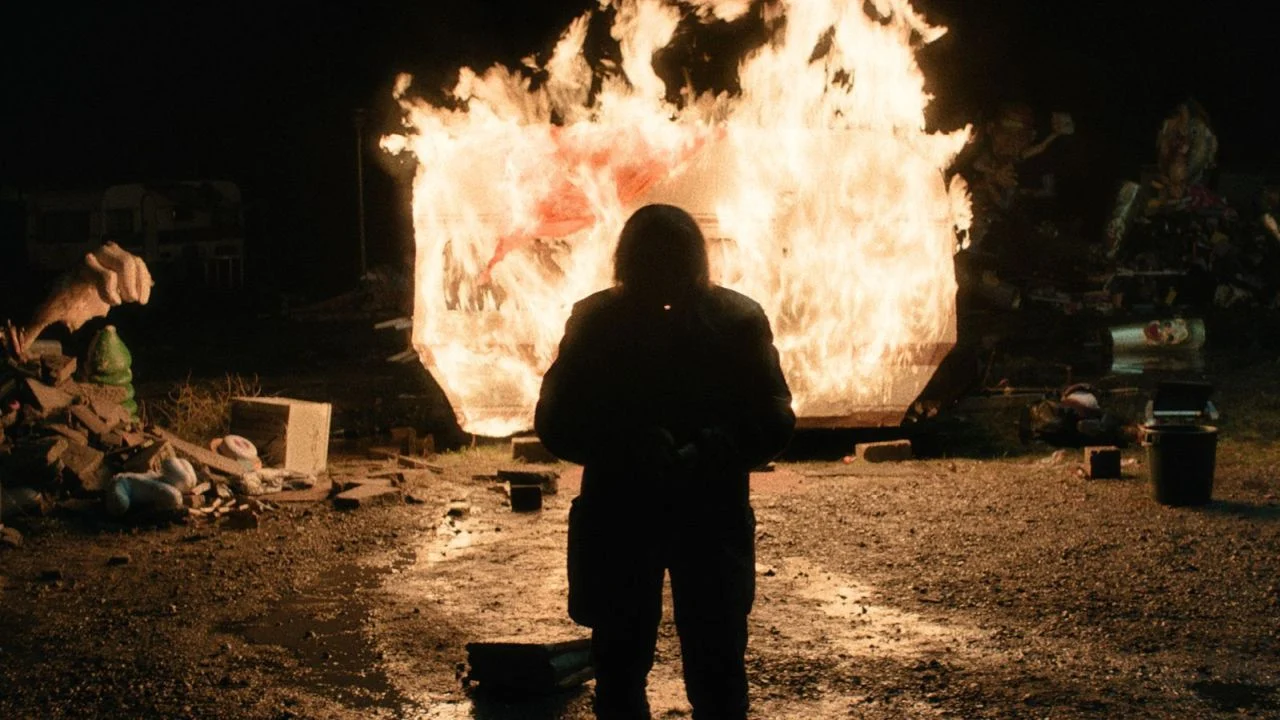
Darkness reigns in Limburger Land!
That sounds really original… and it is – a wonderful introduction to the character of Jos, who didn't even make it as a criminal. At 55 years old, he is still a puny henchman in the circle of “real” criminals. He is unhappily married and has an adult daughter who is dating his accomplice Özgür (the Dutch comedian Sezgin Güleç), which everyone knows except Jos, who is against it. Fedja van Huêt (“Speak No Evil”) plays the protagonist absolutely brilliantly as a loser who is still fighting against his destiny – knowing that it is pointless. He is filled with stoic emptiness and latent anger, which makes him not very likeable, but all the more pitiable in his futile struggle for recognition.
Özgür is quite clumsy, a bit stupid and, because of his friendliness, less suitable for the crook's job. Jos and Özgür want to do the really big thing together, but there are a few other things standing in the way – in addition to their own incompetence. One of the additional challenges is Jos' demented, hunchbacked father (Michiel Kerbosch), who they can't get rid of and who always runs around with a shovel because he's compulsively digging for a valuable antique helmet. Finally, they also have to find Jos' neglected brother Hendrik (Georg Friedrich, with a Limburgish language whose Austrian tongue is hardly noticeable)…
On the trail of the Coen brothers
The first images of the film – dark-clad peat cutters in the wet ditches of a damp, gloomy moorland – open the door to a story that hardly leaves any hope of a happy ending. What begins as a bizarre, dark comedy with lots of little gags (the same door on Jos' car keeps opening as if by magic) soon develops into a macabre parable about power, powerlessness and morality, a mix of fairy tales and myths from the Limburg region that meet elements from horror films and crime novels.
Some of the original characters, including a scruffy carnival prince, an obscure winemaker (David Kross) and a crime boss who speaks like Marlon Brando in “The Godfather,” are reminiscent of early Coen films like “Blood Simple” as well as Anders Thomas Jensen's latest film, “Therapy for Vikings.” Here in the land of moors and swamps, things are also rough and dark, because the men in question are only connected by family and not by affection – and by a family secret. The prevailing lighting mood is just as gloomy as the outlook.
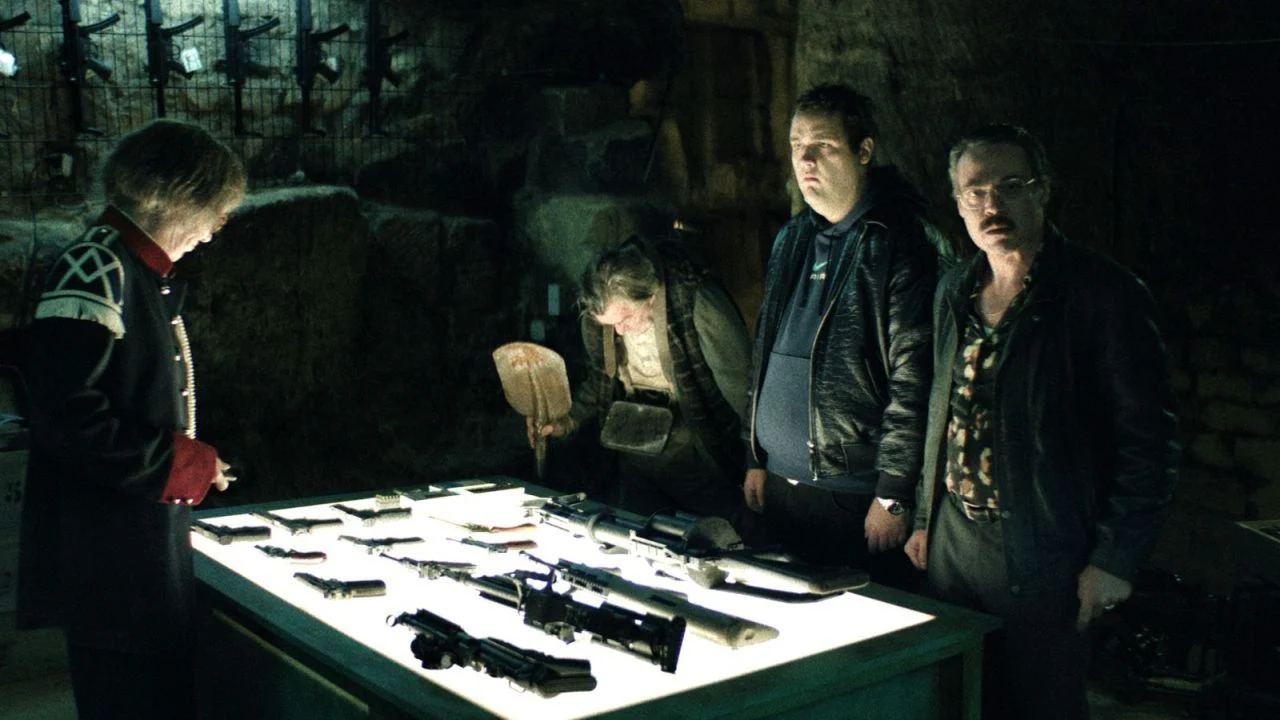
“Fabula” is reminiscent in many ways of the Coen brothers’ early films (“Fargo”).
Many of the supporting characters seem like characters from a dark, sad picture book about the meaning of life, drawn precisely and with bitter humor. Their little stories are relics of a regional past marked by poverty, anger and resignation. However, Ten Horn is less interested in psychological considerations than in archetypal constellations: father, brother, hero – but can there even be heroes here? Jos definitely doesn't have what it takes, because morals and ethos are obviously generally out of fashion in Limburg.
There doesn't seem to be anything beautiful in this landscape, which cinematographer Robbie van Brussel captures in appropriately dreary images. Nevertheless, the bleak, occasionally enigmatic recordings have a certain fascination; they evoke thoughts of evil rather than good; their power comes from what could be and not from what is there. When a witch with a grating voice finally appears, her name is Bulke (Chris Nietvelt) and turns out to be Henrik's ex-lover, then just another absurd chapter is opened in the history of the muddy Limburg swampland. And if it gets a little brighter at the end, it's only so that you can see the nasty final gag better.
Conclusion: With a joyful, dark humor, “Fabula” moves between grotesque fairy tale, solid crime thriller and malicious social satire. But be careful: The strange story about a petty criminal loser in the Belgian-German-Dutch border region is not for the faint-hearted. The violence is unexpected, and there is something quite disturbing about it.