Trump government officials have also made it clear that they expect NATO European allies to assume the main responsibility of the region, since the US now has other priorities, such as border security and the fight against China.
Europe will not have a seat at the Peace Conversations Bureau about Ukraine, said Donald Trump's main envoy to Ukraine, after Washington sent a questionnaire to the European capitals to ask what they could contribute to security guarantees for kyiv.
Trump surprised his European allies this week by calling the Russian president, Vladimir Putin, without previously consulting them or kyiv and declare the immediate start of peace conversations about Ukraine.
Trump government officials have also made clear in recent days that they expect NATO European allies to assume the main responsibility of the region, since the United States now has other priorities, such as border security and the fight against China.
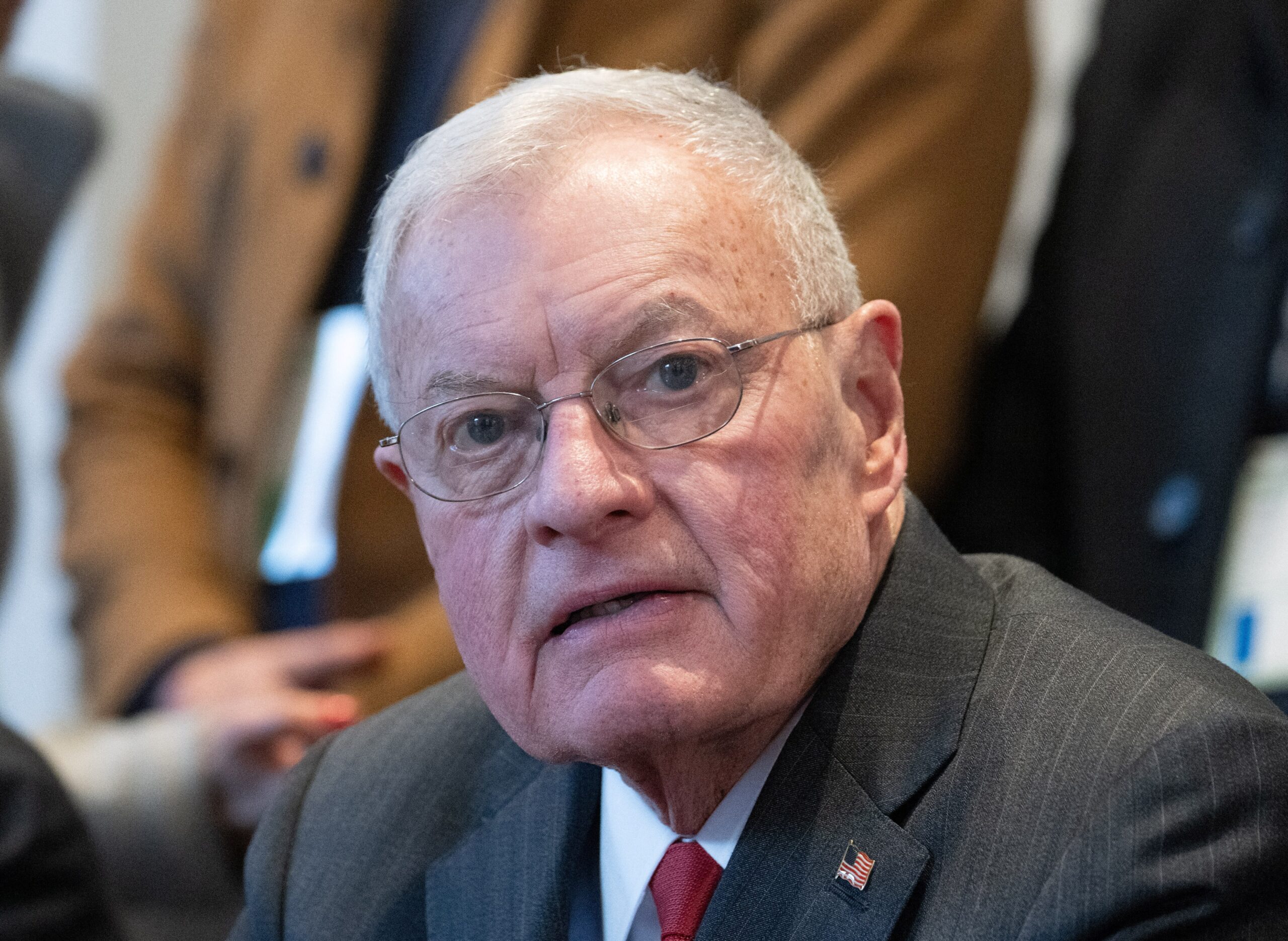
When asked if he could assure attendees that Ukrainians and Europeans would be at the table of conversations, General Keith Kellogg said at a world security conference held in Munich: “The answer to that last question (about Europeans), as You have formulated it, it's no. “
The Ukrainians, however, “of course” that they would be on the table, he said, adding that it would be foolish to suggest otherwise.
This caused the immediate response of European leaders.
“There is no way to maintain conversations or negotiations about Ukraine, its future or the European security structure without Europeans,” said Finland president Alexander Stubb, at the same security conference held in Munich.
“But this means that Europe has to espabilar. Europe needs to speak less and do more.”
Stubb said that the questionnaire that the United States sent to Europeans “will force Europeans to think.”
A European diplomat said that the American document included six questions, one of them specifically addressed to the Member States of the European Union.
“Americans are heading to European capitals and ask how many soldiers are willing to deploy,” said a diplomat.
The NATO general secretary, Mark Rutte, also urged the Europeans to Espabilar.
“And my European friends would tell you to enter the debate, not complaining that they could, yes or yes, be at the table, but presenting concrete proposals, ideas, increasing spending (in defense),” he said in Munich.
France is discussing with its allies the possibility of holding an informal meeting among European leaders on Ukraine to deal with these issues, although at the moment there is nothing decided, according to Saturday an official of the French presidency said on Saturday.
Polish Foreign Minister, Radoslaw Sikorski, said it would take place on Monday.
Kellogg said at the conference that conversations to end the war between Russia and Ukraine could focus on territorial concessions by Russia and Putin's oil revenues.
“Russia is actually a petroestado,” he said, adding that Western powers have to do more to effectively apply sanctions to Russia.
European Army?
Previously, the Ukrainian president, Volodimir Zelenskyy, advocated the creation of a European army, stating that the continent could no longer be sure of having the protection of the United States and that it would only obtain Washington's respect with a strong army.
In a speech at the annual Munich security conference, Zelenskyy said that a speech pronounced the previous day by the US vice president, JD Vance, had made it clear that the relationship between Europe and the United States was changing.
European nations cooperately cooperately in the bosom of NATO, but governments have so far rejected various requests to create a unique European army over the years, arguing that defense is a matter of national sovereignty.
A high -ranking official of an Eastern Member State of the European Union responded with skepticism to Zelenskyy's proposal to create a European army: “There is a European military force called NATO.”