
Director Andrew Haigh (“Weekend”) is a master at telling about interpersonal relationships that threaten to break down or whose loss has a painful impact. The British filmmaker knows how to convey particularly vividly how paths not taken can raise doubts about one’s own decisions years later and how missed opportunities can reverberate throughout one’s life. “45 Years” and most recently his acclaimed drama “All Of Us Strangers” were about people who cannot let go of their memories and the longing for a different life. Haigh only needs glances or casual gestures to make it clear what is bothering his characters, even if they cannot put it into words themselves.
In his new film “A Long Winter,” an adaptation of the short story of the same name by the Irish writer Colm Tóibín, feelings also bubble beneath the surface. The focus is on a family that has established a life in a remote mountain region in the Rocky Mountains that is determined by the changing seasons and the demands of everyday life. Wrapped in impressive mountain panoramas and images of a snowy landscape that is as beautiful as it is inhumane, Haigh’s family drama impresses with an excellent acting ensemble and a production that is as reserved as it is precise.
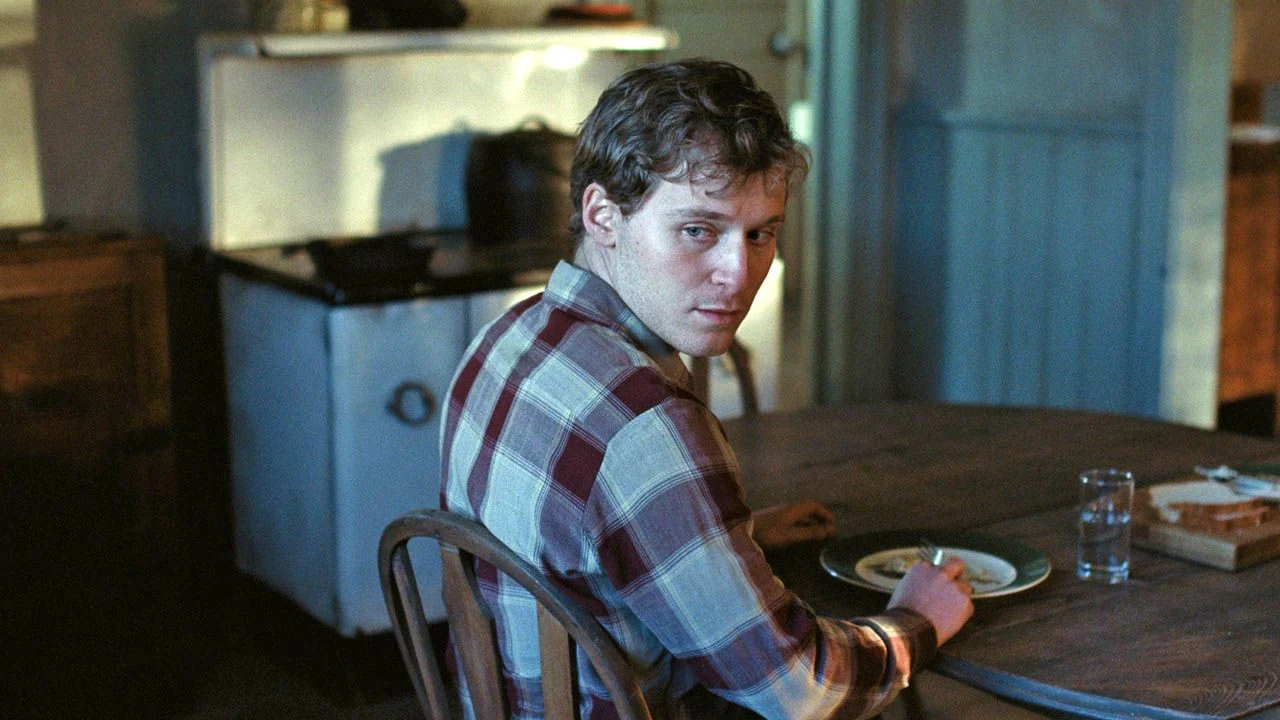
Mike (Fred Hechinger) longs for a different life, but there is little room for his wishes in the conservative society of the 1950s.
In the early 1950s, a family of four lives in a remote mountain region in the US state of Colorado. While the younger son Tommy (Kit Connor) leaves home to serve as a soldier in the Korean War, Mike (Fred Hechinger), his mother Louise (Caitríona Balfe) and his father Lester (Ebon Moss-Bachrach) prepare for the approaching winter as they do every year. But then one afternoon Louise disappears without a trace along with the family dog. At the same time, the first heavy snowfalls are approaching, making even the nearest village inaccessible…
“A Long Winter” lives above all from its acting achievements and the clear character drawing. The characters have to deal with the possible loss of a loved one in the isolation of the snowy mountains, while their very different ideas about life only gradually reveal themselves. For example, Ebon Moss-Bachrach (“The Bear: King Of The Kitchen”) is convincing as the strict, taciturn father Lester, who gradually begins to open up a little more after his wife’s disappearance.
The cast is excellent across the board
Martin Freeman (“The Hobbit: An Unexpected Journey”) sets a clear tone in a smaller appearance as Louise’s intelligent brother, who gives Mike an insight into his sister’s long-hidden misfortune in a candid conversation. Even though Caitríona Balfe (“Sense and Sensibility”) only appears at the beginning, she quickly makes it clear why her character haunts the thoughts of the husband and son she left behind for a long time. In her only 20 minutes of screen time, she leaves a lasting impression. Balfe only needs a few scenes to convey the desperation of a woman who feels trapped in her own life and seeks refuge in alcohol.
Lead actor Fred Hechinger (“Gladiator II”) is particularly enthusiastic in the role of the somewhat naive Mike, who still believes in the good in people, which he embodies with great joy and sensitivity. In addition to the difficult situation of being left alone with his father and not knowing what happened to his mother, the 20-year-old is also concerned with his burgeoning feelings for other men. He always watches the young policeman in the nearest village a little too longingly; in his daydreams he even wishes he could sleep in his brother’s empty bed in their shared bedroom.
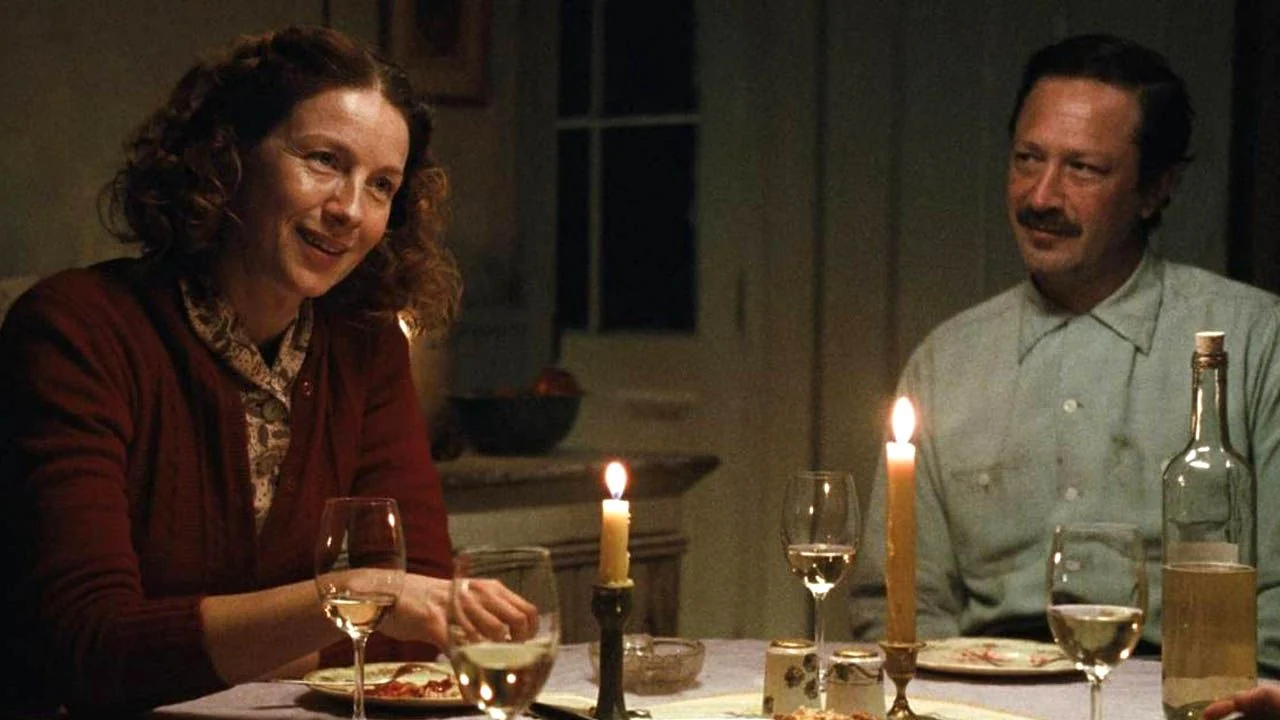
Caitríona Balfe is only seen briefly as Louise, but her haunting performance leaves an even more lasting impression.
Mike spends hours roaming the hills in the hope of finding his mother, knowing full well that she is probably buried under the snow and that he doesn’t actually want to find her lifeless body. Hechinger makes the protagonist’s small changes noticeable over the course of the film. The breakup of the family and the confrontation with his father’s clear ideas of masculinity lead the sensitive Mike to deal with feelings that he might otherwise have kept hidden deep within himself. Only through these painful experiences does he gradually begin to understand himself better.
Mike’s thoughts reveal a longing that must probably remain unfulfilled in the conservative society of the 1950s – and which seems literally frozen in the icy snowy landscape. Haigh weaves his protagonist’s sexual self-discovery rather casually into the loose narrative structure, which evades the usual dramaturgical exaggerations. The director succeeds in the smooth transitions between wintry reality and Mike’s short daydreams and visions just as well as in his acclaimed previous film “All Of Us Strangers”. However, “A Long Winter” remains more distant overall and lacks the intense melancholy and the almost magical atmosphere between dream and reality that made Haigh’s previous film so special.
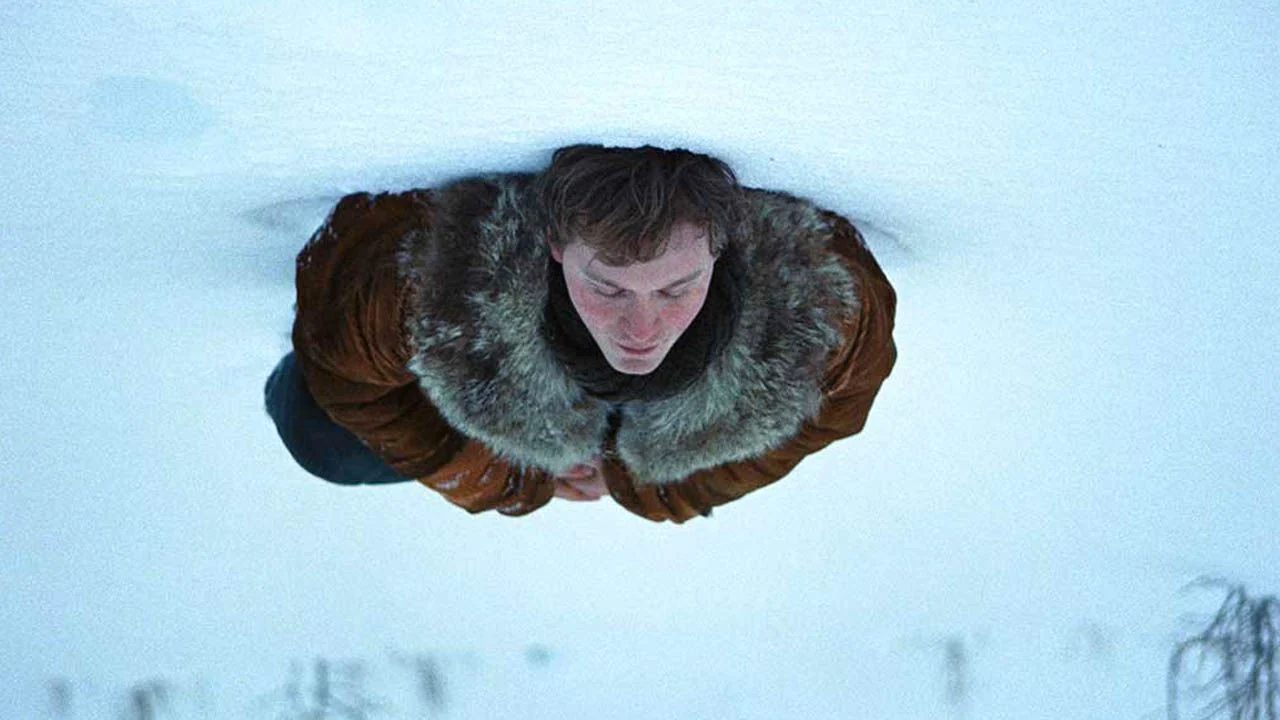
The snow-covered mountain landscape forms an attractive contrast to the narrowness and isolation of family life.
Despite the well-thought-out characterization, the fate of the family is less directly affecting than the initial situation would suggest. In front of the mountain backdrop, wonderfully captured by cameraman André Turpin (“Mommy”), a sensitive film about dreamed and unfulfilled life plans unfolds. The mighty, snow-covered mountains stand in charming contrast to the confines of the creaking house, which is filled with the howling of the icy wind. It is precisely this combination of landscape vastness and human isolation that makes “A Long Winter” what it is.
Conclusion: “A Long Winter” is a finely observed family drama that accompanies its characters through a painful time of uncertainty with great reserve. Andrew Haigh tells about people who are trapped in their living conditions and can hardly find a way out of their dissatisfaction. Even if the film remains a bit emotionally distant, it has a quiet effect thanks to its impressive landscape shots and the strong ensemble performance.
We saw “A Long Winter” at the Festival de Sevilla, where it was shown as part of the official competition.