
Where is the rebooted DC Universe headed? Will the architects James Gunn and Peter Safran have the opportunity to implement their master plan for the DCU undisturbed over several years? Or will the second attempt collapse before it really gets started – like the DCEU with “Man Of Steel” and “Justice League” a few years ago, which was largely influenced by Zack Snyder? These questions are currently even more important as DC parent company Warner Bros. is about to be taken over by competitor Paramount Skydance – and Gunn and Safran will soon have a new boss. In order for the DCU to have a future, things should definitely continue to improve after the solid start with “Superman”. Instead, the second DCU film “Supergirl” is a step back.
“Superman” had a clear identity of its own as a brightly colored, crazy comic blockbuster, even if the film noticeably stumbled here and there under the weight of having to (once again) establish an entire universe. “Supergirl” has no such problems. After all, apart from brief appearances by Superman (David Corenswet) and DC bounty hunter Lobo (Jason Momoa), the film is a flawless solo film. However, “Supergirl” lacks its own signature – instead, director Craig Gillespie (“Cruella”) and screenwriter Ana Nogueira (who also writes the upcoming DCU films “Wonder Woman” and “Teen Titans”) use a potpourri of all-too-familiar elements: aliens, spaceships and strange planets like in James Gunn’s “Guardians Of The Galaxy” films, the dark, brooding imagery of the Snyderverse – and triumphantly staged moments like in “Superman”, which, however, rarely ignite.
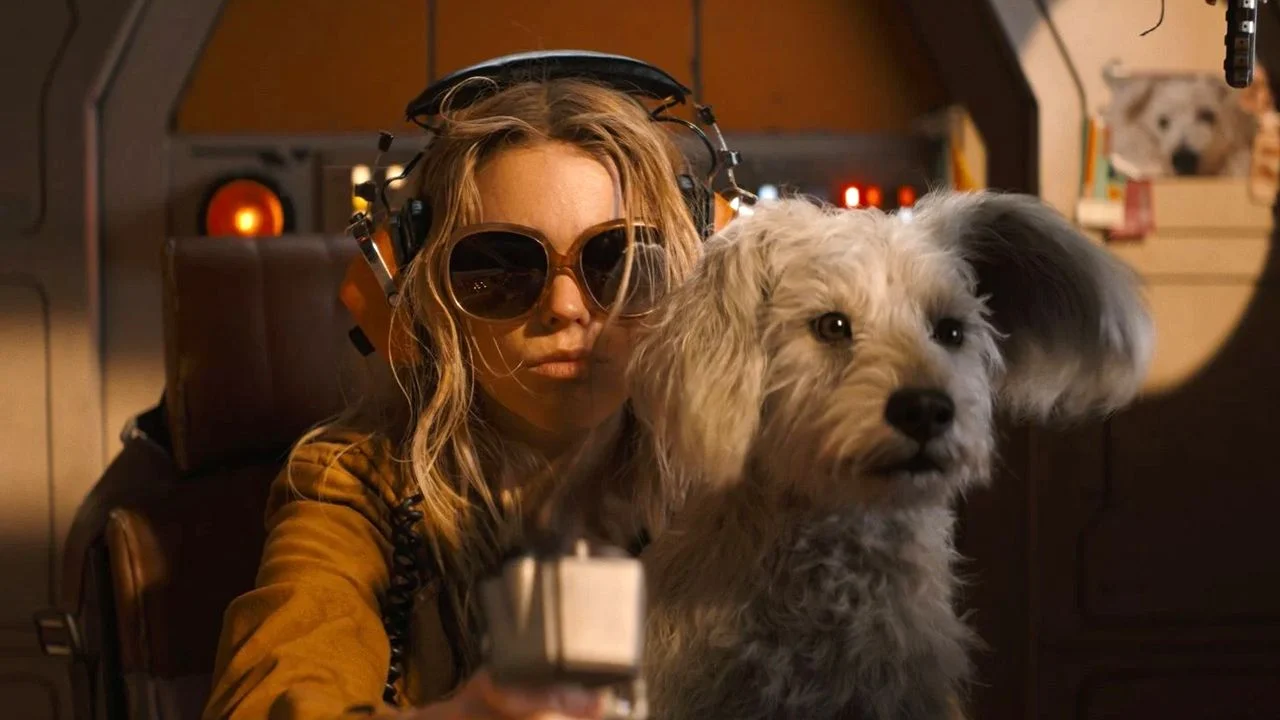
Supergirl (Milly Alcock) isn’t actually a hero, but would rather just party with her dog Krypto.
Kara Zor-El aka Supergirl (Milly Alcock) is getting really drunk in a bar on the planet Holzherr on the occasion of her 23rd birthday when young Ruthye (Eve Ridley) storms in. The 13-year-old girl is looking for someone to help her kill brigand leader Krem of the Yellow Hills (Matthias Schoenaerts), who has killed her family. Instead, the scoundrels grab Ruthye’s sword, which was forged by her father – which is why Supergirl feels compelled to intervene, even though she actually just wants to drink in peace.
Of course, the next morning, Ruthye promptly shows up at the door of Supergirl’s spaceship, which is parked at some kind of campsite, to ask for help. But it’s only when Krem steals her spaceship and poisons Kara’s beloved dog Krypto that she reluctantly joins Ruthye’s mission. After all, Krem has the only antidote to save crypto after all…
Even super dog Krypto can’t save “Supergirl”.
A dying dog as a plot driver, plus the repeatedly displayed countdown on the clock that Supergirl received as the only souvenir from her father before she was sent to Earth by space capsule from the doomed Kryptonian city of Argo: Given this clear character motivation, one would actually believe that “Supergirl” grabs the audience from the first minute. But the opposite is the case.
Like so much else about “Supergirl,” the film’s plot seems rather arbitrary – and not just because the hunt for the antidote always seems to get a little forgotten at times. When Kara and Ruthye travel in a kind of space travel bus in search of Krem and meet all sorts of bizarre aliens, it’s nice to look at thanks to the many handmade sets, masks and costumes, but it seems like a less successful (because less original) copy of “Guardians Of The Galaxy”.
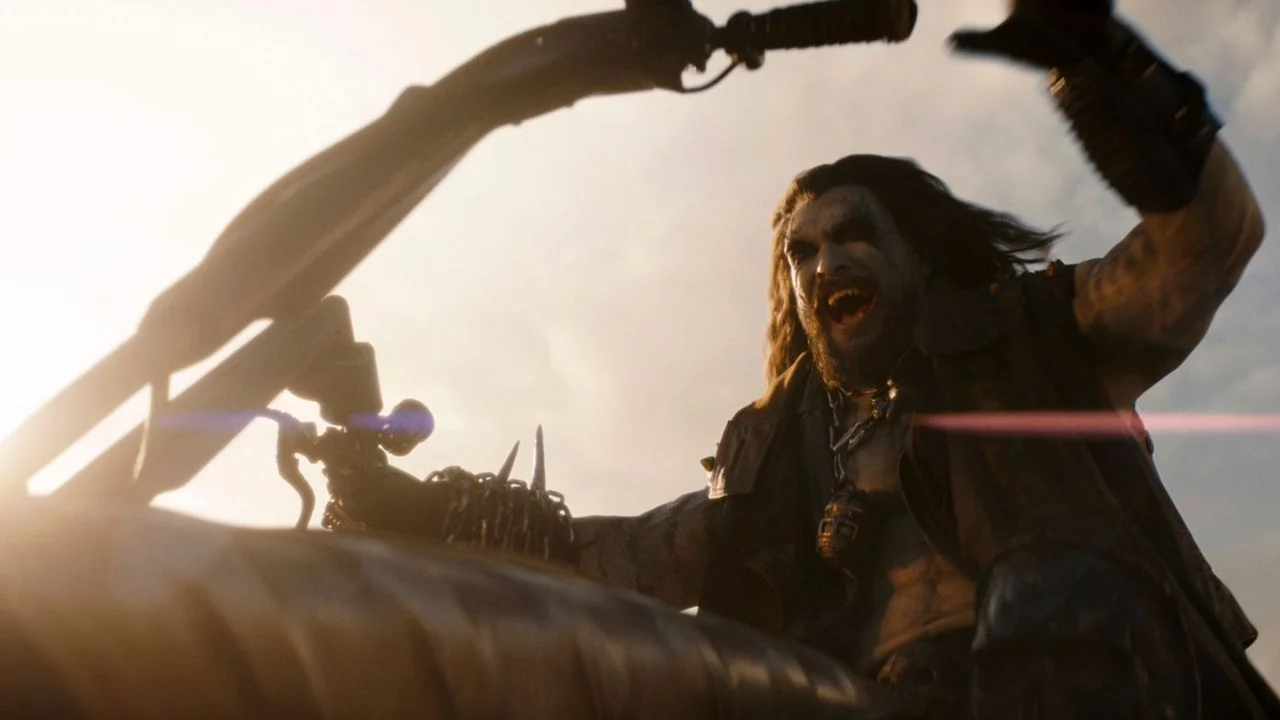
Only real with a space motorcycle: Jason Momoa as Lobo!
Lobo’s appearance doesn’t necessarily fit seamlessly into the plot either. However, the intergalactic bounty hunter always brings some momentum into the otherwise rather sluggish hustle and bustle. Because in this rude, charming role, Jason Momoa is even better than in his DCEU hero role as Aquaman. And when he races through a bunch of brigands with a cigar, a chain hook and a space motorcycle, it’s simply a lot of fun.
Too generic, too arbitrary, too irrelevant
The influence of James Gunn is also clearly noticeable in the more spectacular sequences (keyword: use of music). But while these in “Superman” always gave you goosebumps, the action in “Supergirl” is generally not remembered enough. Director Craig Gillespie tries to build on the triumphant moments of “Superman”, but in the end the parts worth seeing in “Supergirl” remain few and far between. This includes, for example, a fight against three space pirates in which teleporters with a glitch effect are used – or a brigand brawl filmed in one long, uncut shot.
The decidedly bloodless staging simply makes the action too weightless and these scenes often lack a clear sense of motivations and consequences. The villain Krem also fits into the picture well, although he actually comes across as even nastier than in the comic, but still acts absolutely pale – what is remembered less is his diabolical deeds than his facial piercings and his habit of eating something at almost every appearance.
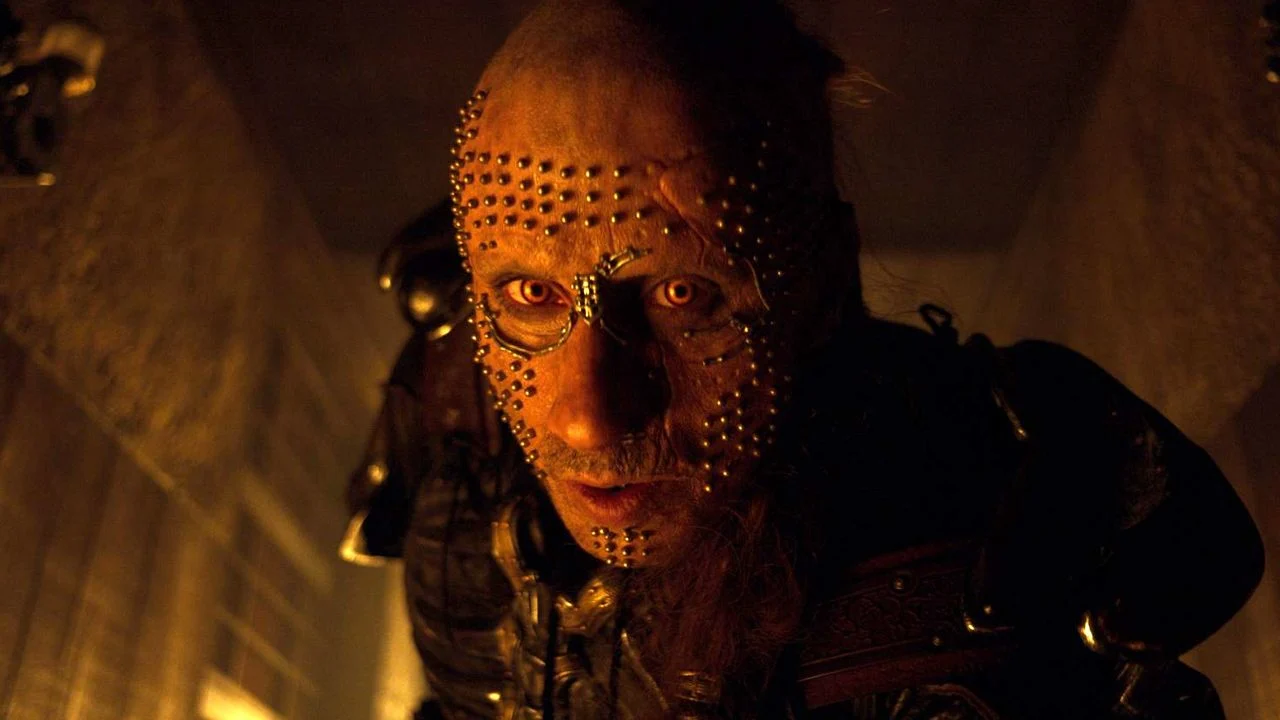
Villain Krem (Matthias Schoenaerts) looks nasty, but is quickly forgotten.
The most atmospheric are the repeated flashbacks to Kara’s past. Such scenes tend to slow down the plot, but in “Supergirl” it never really gets going anyway. At least in these flashbacks, Craig Gillespie and cameraman Rob Hardy (“Ex Machina”) demonstrate a good knack for creating atmospheric images of the fall of Krypton, the ultimately unsuccessful rescue of the city of Argo and the associated trauma of the young Kara. That leaves a real impression, even if “Supergirl” sometimes seems more like a companion film to Zack Snyder’s brooding, melancholic “Man Of Steel” than to James Gunn’s brightly colored “Superman”.
In any case, a little more “Superman” would probably have benefited “Supergirl” too. The first DCU film was just as bizarre and diverse as the DC comics and that’s exactly why it stood out from “Man Of Steel” & Co. “Supergirl,” on the other hand, repeatedly moves away significantly from the comic book “Supergirl: Woman Of Tomorrow” by Tom King and Bilquis Evely. But that rarely happens for the better – from the interchangeable look of the film, which hardly differs from any other blockbuster in this price range (including some unpleasantly washed-out backgrounds), to the ending, which, due to a crucial change, is probably the only element of the film that is likely to cause further discussion.
Conclusion: A decidedly generic superhero blockbuster with no real identity of its own, but still entertaining enough over its short running time of 108 minutes by genre standards.